




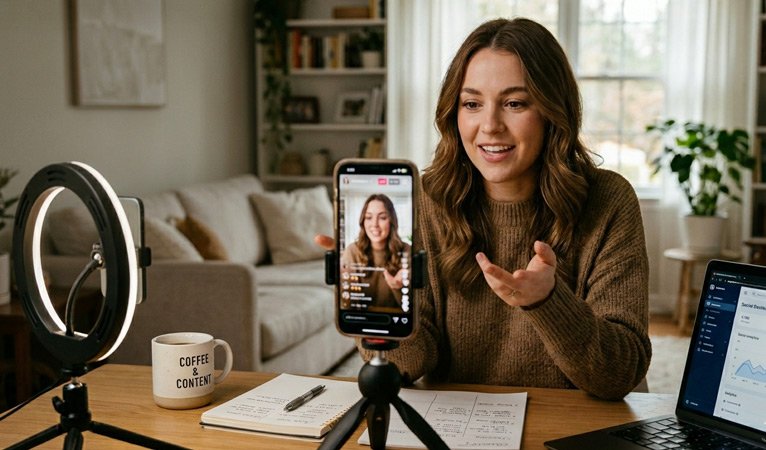
Influencer marketing is a constant in today's marketing environment, not merely a fad. But like any dynamic field, it's constantly evolving. As we cast our gaze towards 2026, the game is shifting from ad-hoc campaigns to sophisticated, data-driven strategies focused on measurable ROI, genuine connection, and technological innovation.
So, what does the next frontier of influencer marketing look like for brands and marketers?
The Evolving Face of ROI: Beyond Vanity Metrics
The era of solely tracking likes and follower counts will be a distant memory. Brands will demand and achieve far more sophisticated attribution, linking influencer campaigns directly to tangible business outcomes.
Direct Conversions: Expect advanced tracking tools to pinpoint sales, sign-ups, and downloads originating from specific influencer content. Affiliate links and unique promo codes will be just the beginning.
Customer Lifetime Value (CLTV): The focus will shift to how influencers drive not just initial purchases but also foster loyalty and repeat business, significantly impacting long-term customer value.
Brand Sentiment & Equity: AI-powered sentiment analysis will provide deeper insights into how influencer partnerships are shaping brand perception, trust, and affinity among target audiences.
Website Traffic & Engagement: Granular data on website visits, time spent on pages, and specific content interactions driven by influencer referrals will become standard.
Brands will leverage AI and machine learning to analyze vast datasets, allowing for precise ROI calculations and optimization across campaigns, moving from an art to a more exact science.
Key Trends Shaping in 2026
Several powerful currents will redefine the influencer marketing landscape:
1. Hyper-Niche & Micro-Mega Influencers: The gravitational pull towards authenticity and community will make hyper-niche creators (those with highly specific, engaged audiences, regardless of size) invaluable. Micro and nano-influencers will continue to thrive, but a new class of "micro-mega" influencers – those with 100k-500k followers who maintain high engagement and niche authority – will emerge as prime targets for sustainable partnerships.
2. AI as a Strategic Partner: AI won't replace human creativity but will augment every stage of influencer marketing. It will power more accurate influencer discovery and vetting, predict campaign performance, optimize content schedules, personalize messaging, and automate reporting, freeing up marketers for strategic oversight.
3. Authenticity and Transparency Above All: Following increased regulatory scrutiny (like stricter FTC guidelines globally), transparency will be non-negotiable. Consumers will demand even greater authenticity, valuing genuine endorsements over overly polished, commercial content. Brands will prioritize creators whose values align organically with their own.
4. Platform & Format Diversification: While TikTok and Instagram will remain dominant, brands will increasingly explore emerging platforms and formats. Think interactive content in the metaverse, live shopping experiences, immersive VR/AR integrations, and the resurgence of audio-first content (podcasts, live talks) with expert creators.
5. Long-Term Partnerships & Creator Economy Professionalization: The "one-off" campaign will diminish. Brands will invest in longer-term ambassadorships, fostering deeper relationships with creators who become genuine extensions of their brand story. The creator economy will further professionalize, with more robust agencies, talent management, and standardized contracts.
Winning Strategies for Brands in 2026
To thrive in this evolving environment, brands need to adopt a proactive and sophisticated approach:
1. Cultivate Deep, Long-Term Partnerships: Shift from transactional relationships to strategic, multi-campaign collaborations. This fosters trust, authenticity, and allows creators to genuinely integrate your brand into their content.2. Embrace Data-Driven Decision Making: Leverage advanced analytics and AI tools for creator selection, content optimization, and performance tracking. Don't guess; measure, learn, and adapt.3. Prioritize Purpose and Values Alignment: Look beyond demographics. Partner with creators who genuinely resonate with your brand's mission, ethics, and values. This builds advocacy and trust that resonates deeply with audiences.4. Empower Creators Through Co-Creation: Provide clear briefs but empower creators with creative freedom. The most engaging content comes from creators who are allowed to tell stories in their authentic voice, integrating your brand naturally.5. Diversify Your Creator Portfolio: Don't put all your eggs in one basket. Work with a mix of creator sizes (micro, macro, celebrity) across different platforms and niches to reach diverse segments and mitigate risks.
The Road Ahead
Influencer marketing in 2026 will be more mature, more strategic, and more accountable. It will be less about chasing fleeting trends and more about building sustainable brand advocacy through authentic connections and intelligent data utilization. Brands that embrace these shifts will not only survive but will significantly amplify their reach, build deeper trust, and drive measurable success in the digital age.